Remembering Batz-sur-Mer's Disappeared Museum: Art & Oddities
Batz-sur-Mer, a charming commune nestled along the rugged, windswept coast of southern Brittany, holds a unique place in the hearts of those who appreciate history, art, and the slightly unconventional. While today it's renowned for its ancient salt marshes and wild Atlantic beaches, for a brief, magical period stretching from the late 1970s to the early 80s, Batz-sur-Mer was home to an extraordinary cultural phenomenon: the self-taught museum of Monsieur Lucas. More than just a collection, it was a deeply personal, enchanting, and utterly vanished world that continues to intrigue and inspire nostalgia decades after its disappearance.
Much like the sea itself, which guards its secrets and occasionally reminds us of its formidable power – tales of a
nageuse disparue Batz-sur-Mer (missing swimmer of Batz-sur-Mer) forming part of the town's poignant maritime folklore – the Lucas Museum too has become a ghost in the collective memory, a cherished entity that simply faded away. Yet, the echoes of its eclectic charm, its unsettling oddities, and its profound impact on visitors remain vivid for those fortunate enough to have experienced its unique embrace. This article delves into the captivating history of this lost treasure, exploring what made it so special and why its memory endures.
The Enigmatic World of Monsieur Lucas: A Cabinet of Curiosities
Monsieur Lucas was no ordinary curator, and his museum was far from a conventional institution. It was a labour of love, a sprawling, unsystematic, yet utterly captivating assemblage that reflected a singular vision. Visitors from the late 70s and early 80s recall a collection that was intensely heterogeneous but profoundly fascinating. Imagine stepping into a realm where the mundane met the mysterious, where everyday objects from local life mingled with rare finds from the deep, all arranged in a glorious, bewildering "capharnaüm" – a delightful hodgepodge that defied classification and delighted the eye.
The collection was a testament to Lucas's passion for the overlooked and the extraordinary. It featured a captivating array of objects: unsettlingly lifelike dolls, intricate marionettes, sculptures crafted from found materials, and countless other items "glanés ici et là" – gleaned from various sources. What truly set it apart was its unpretentious approach to art. This was popular art coexisting effortlessly with what we now categorize as *art brut* (outsider art), long before such definitions became mainstream. Monsieur Lucas didn't care for academic labels; he simply presented what he found beautiful, intriguing, or thought-provoking. The overall effect was an "enchantement," a true immersion into a world seen through the eyes of a unique, self-taught visionary. It was a place where every glance revealed a new detail, a new story, creating an unforgettable sensory experience. For more on this incredible lost treasure, explore
Batz-sur-Mer's Lost Treasure: The Vanished Lucas Museum.
Echoes of the Sea: Rarity and the Unsettling
Among the myriad treasures within Lucas’s museum, the "rarities de la mer" stood out, speaking volumes about Batz-sur-Mer's deep connection to the Atlantic. These maritime artifacts, likely weathered by the ocean’s embrace, offered a tangible link to the mysteries of the coast. They might have included unusual shells, shipwrecks remnants, or tools of the local fishing community, each piece whispering tales of tides, storms, and human endeavor against nature's might.
Equally compelling, and perhaps more haunting, were the "poupées aux traits inquiétants" – dolls with unsettling features. These weren't mere playthings; they likely carried an air of folklore, perhaps even of local superstitions tied to the unpredictable sea. In a town like Batz-sur-Mer, where life was intrinsically linked to the ocean's whims, such figures could easily have embodied the unspoken fears and hopes of a community, reflecting stories of journeys taken, loved ones lost, or the ever-present danger that lurked beneath the waves. The eerie quality of these dolls could have subtly evoked the profound melancholy sometimes associated with coastal life, where every wave might carry both bounty and tragedy. It’s in this atmospheric intersection of maritime history and the unsettling unknown that one can find a thematic resonance with tales of the lost, such as the poignant local memory of a
nageuse disparue Batz-sur-Mer, a reminder of the sea’s power to both nurture and reclaim. To delve deeper into the unique artifacts that comprised this collection, read
Uncovering the Enigmatic Lucas Museum of Batz-sur-Mer's Past.
The Allure of the Disappeared: Why We Remember
The disappearance of Monsieur Lucas's museum only cemented its legend. Why does a vanished private collection hold such a potent grip on memory, often more so than some grand public institutions? The answer lies in its intrinsic qualities: its authenticity, its personal touch, and its very ephemerality. Unlike traditional museums, which often strive for permanence and comprehensive classification, the Lucas Museum was a fluid, evolving entity, a direct extension of one man's passion. Its unceremonious fading from existence mirrors the transient nature of many personal projects and underscores the value of unique individual visions.
We remember it because it offered an unfiltered glimpse into a singular artistic sensibility, creating an experience that was both intimate and universal. It was a testament to the idea that art doesn't need formal training or institutional validation; it simply *is*. The stories surrounding its existence, and then its non-existence, add layers to its mystique, transforming it from a physical place into a cherished piece of local lore – much like how historical narratives of a
nageuse disparue Batz-sur-Mer become integral to the cultural tapestry of the region.
Preserving Memory in a Digital Age: Archiving the Ephemeral
In an age where physical spaces can vanish almost overnight, the digital realm offers a vital lifeline for preserving cultural memory. The surviving photographs and blog posts mentioned in the reference context are invaluable bridges to the past, allowing new generations to catch a glimpse of Monsieur Lucas's incredible creation. These digital artifacts ensure that even if the museum no longer stands, its spirit and impact can continue to be appreciated.
For anyone traveling and discovering similar "hidden gems" – be it a quirky local museum, a passionately curated private collection, or a unique artistic installation – there's a valuable lesson to be learned: **document it!**
- Take Photos & Videos: Capture as much as you can, from wide shots to intricate details.
- Jot Down Notes: Record names, dates, descriptions, and your personal impressions.
- Interview the Creators: If possible, speak to the people behind the collection to gather their stories and insights.
- Share Responsibly: Use platforms like personal blogs, social media, or local history forums to share your discoveries and help build a collective digital archive.
By doing so, we contribute to the preservation of unique cultural expressions that might otherwise be lost to time, ensuring that future generations can still marvel at the extraordinary, even if only through a screen.
Batz-sur-Mer Beyond the Museum: Coastal Charms and Local Lore
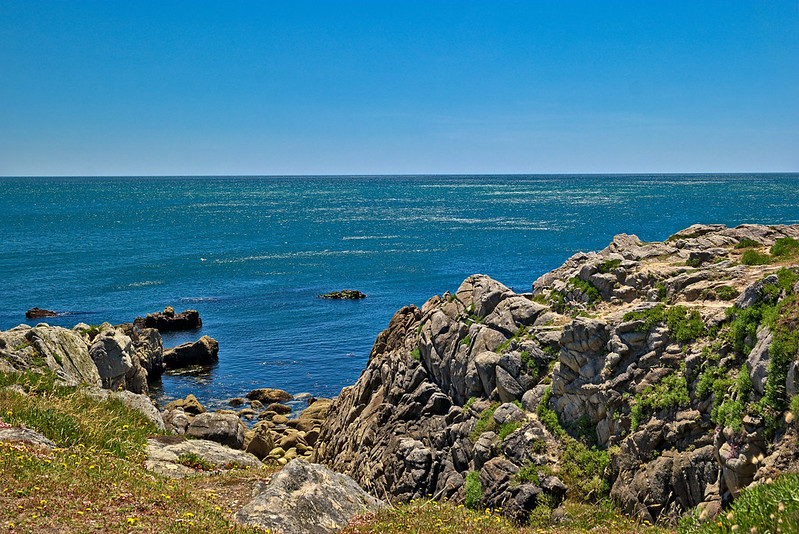
Even without Monsieur Lucas's museum, Batz-sur-Mer remains a destination rich in character and history. Its identity is inextricably linked to its dramatic coastline and the vast, intricate network of salt pans that have shaped its economy and culture for centuries. Visitors today are drawn to its authentic Breton charm, its charming stone houses, and the powerful, untamed beauty of the Atlantic Ocean.
The rugged beauty of Batz-sur-Mer's coastline, while breathtaking, has always held a powerful, sometimes poignant, narrative. It's a place where the sea provides and takes, where stories of brave sailors and, tragically, even a
nageuse disparue Batz-sur-Mer resonate through local memory, becoming part of the very fabric of the community's connection to the ocean. These local legends and the powerful environment continue to inspire contemplation and an appreciation for the raw forces of nature. Exploring the Sentier des Douaniers (Customs Officers' Path) offers stunning views and a chance to reflect on the town's history, from its salt workers to its maritime past, all while breathing in the bracing sea air.
The spirit of independent creativity, perhaps best embodied by Monsieur Lucas, still thrives in the region's artisans and cultural events. Batz-sur-Mer is a place that invites exploration beyond the obvious, encouraging visitors to discover its hidden corners, its unique traditions, and the enduring spirit of its people.
In conclusion, the disappeared museum of Monsieur Lucas in Batz-sur-Mer stands as a powerful testament to the magic of self-taught art and the profound impact a single individual's passion can have. Though no longer physically present, its memory continues to enrich the cultural tapestry of this captivating Breton town. It reminds us that some of the most profound cultural experiences are often the most ephemeral, leaving behind not physical structures, but a lingering sense of wonder and the enduring power of a story well told. Just as the sea continues to shape the coast, and tales of a
nageuse disparue Batz-sur-Mer echo through its history, the legacy of Monsieur Lucas's unique museum will forever be a part of Batz-sur-Mer's enchanting narrative.